
Norwegian
Most Popular Norwegian Language Product Types
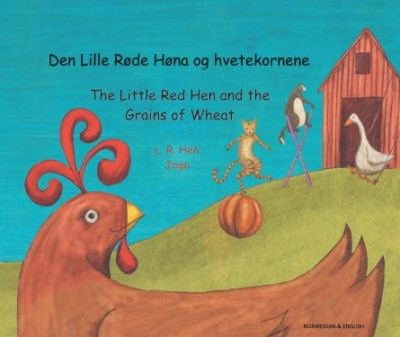
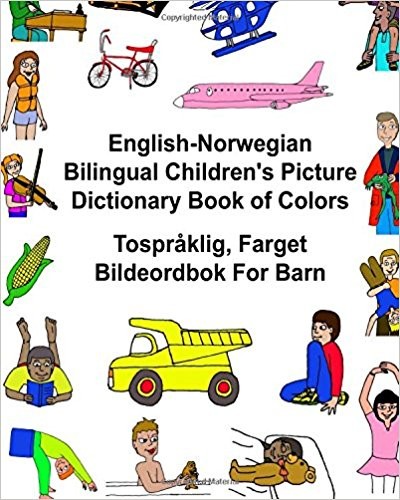
All Norwegian language product types
Language Information
Norwegian is one of the Scandinavian languages, which form a branch of the Germanic languages, in turn a part of the Indo-European family. It Is closely related to Danish and Swedish, especially the former. Norway and Denmark were one country for four centuries before 1814, and from then until 1905 Norway was under the Swedish crown. During the years of Danish rule a Danish-influenced "city language" began to develop in Bergen and Oslo, and Danish eventually became the written language of Norway.
Today there are two distinct dialects of Norwegian. The Dano-Norwegian dialect, originally called riksmål ("state language"), is now known as bokmå1 ("book language"). Most newspapers and radio and television broadcasts are in bokmå1. About 1850 a movement for the recognition of Norwegian as a language distinct from Danish led to the establishment of landsmå1 ("country language"), which was based on the dialects of rural Norway. Known today as nynorsk ("New Norse"), it was intended to carry on the tradition of Old Norse, interrupted in the 15th century.
At present bokmå1 and nynorsk have equal status both in government and in the schools. Attempts to combine the two into samnorsk ("Common Norwegian") have thus far been unsuccessful, but most forward-looking Norwegians believe that it is only a matter of time before they are eventually merged.
Both the Norwegian and Danish alphabets contain the additional letters æ and ø, which in Swedish are ä and ö. All three contain the letter å.
English words of Norwegian origin include fiord, slalom, troll, lemming, auk and narwhal.
Norwegian is spoken/used in the following countries:
- Language Family
- Indo-European
- Subgroup
- Germanic
- Branch
- North (Scandinavian)
Norwegian Language Sample
Universal Declaration of Human Rights, Article 1
Norwegian, Bokmål
Alle mennesker er født frie og med samme menneskeverd og menneskerettigheter. De er utstyrt med fornuft og samvittighet og bør handle mot hverandre i brorskapets ånd.English translation
All human beings are born free and equal in dignity and rights. They are endowed with reason and conscience and should act towards one another in a spirit of brotherhood.
Source: OHCHR translations of the Universal Declaration of Human Rights