
Afrikaans
Most Popular Afrikaans Language Product Types
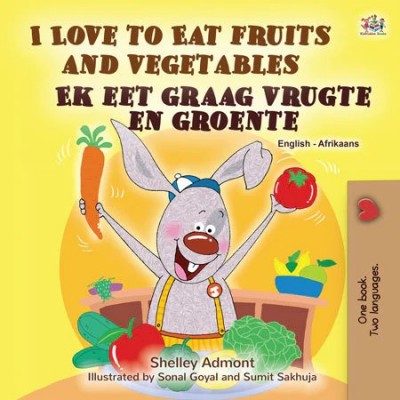
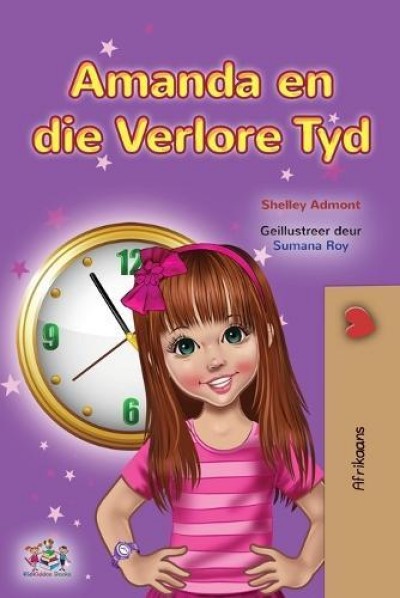
All Afrikaans language product types
Language Information
Afrikaans is a development of 17th-century Dutch brought to South Africa by the first settlers from Holland. The subsequent isolation of the people and their descendants caused increasing deviations from the original Dutch, so that Afrikaans may now be considered a separate language. Written Afrikaans can be most easily distinguished from Dutch by the indefinite article 'n, which in Dutch is een.
Afrikaans has served as the basis for other, more ephemeral, mixed languages in South Africa.It has complex origins - which it demonstrates in a rich variety of loanwords from Portuguese, Malay, Bantu languages and Khoisan languages. It has also borrowed from English and has in turn influenced the regional english of South Africa.By Contrast with Dutch, Afrikaans has no noun gender: die man ' the man' , die vrou ' the woman' . A double negative, comparable to French ne...pas is the usual rule : hy staan nie op nie ' he does not stand up'.
Afrikaans has contributed numerous loanwords to English, including the notorious Apartheid, literally ' separateness'. Kraal 'enclosure' is in origin an Afrikaans loan from Portuguese curral 'farmyard', which is also the origin of American English Corral.Afrikaans is spoken/used in the following countries:
- Language Family
- Indo-European
- Subgroup
- Germanic
- Branch
- Western
Afrikaans Language Sample
Universal Declaration of Human Rights, Article 1
Afrikaans
Alle menslike wesens word vry, met gelyke waardigheid en regte, gebore. Hulle het rede en gewete en behoort in die gees van broederskap teenoor mekaar op te tree.English translation
All human beings are born free and equal in dignity and rights. They are endowed with reason and conscience and should act towards one another in a spirit of brotherhood.
Source: OHCHR translations of the Universal Declaration of Human Rights