

Hungarian
Most Popular Hungarian Language Product Types
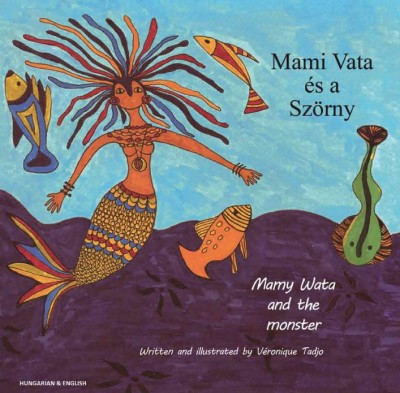
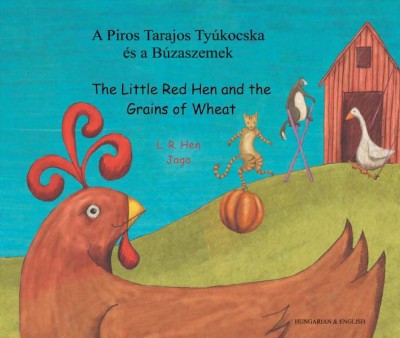

All Hungarian language product types
Language Information
As may be gathered from these facts, the original Hungarian people came from Asia, having long lived a nomadic life on the eastern slopes of the Urals. Forced to migrate westward between the 5th and 9th centuries A.D., they eventually reached the Danube where they settled in 896. In the more than a thousand years that have elapsed since that time the Hungarians have become completely Europeanized, with only their language serving to reveal their Asian Origins.
The Hungarians call their language Magyar. It is considered extremely difficult for foreigners to learn, with its vocabulary largely from Asia and its grammar containing a number of complex features not to be found in other Western languages. The alphabet, however, is phonetic, with s pronounced sh (e.g., sör—beer), c pronounced ts (ceruza—pencil), sz pronounced 5 (szó—word), cs pronounced ch (csésze—cup), zs pronounced zh (zseb—pocket), and gy pronounced dy (nagy—big). The many vowel sounds in spoken Hungarian are indicated by acute accents, umlauts, and the unique double acute accent which appears over o and u (bo"r— skin, fu"—grass). The stress in Hungarian is always on the first syllable. The most important English word of Hungarian origin is coach, after the village of Kocs (remember cs = ch), where coaches were invented and first used. Others are goulash and paprika.
Hungarian is spoken/used in the following countries:
- Language Family
- Uralic
- Subgroup
- Finno-Ugric
- Branch
- Ugric
Hungarian Language Sample
Universal Declaration of Human Rights, Article 1
Hungarian
Minden. emberi lény szabadon születik és egyenlő méltósága és joga van. Az emberek, ésszel és lelkiismerettel bírván, egymással szemben testvéri szellemben kell hogy viseltessenek.English translation
All human beings are born free and equal in dignity and rights. They are endowed with reason and conscience and should act towards one another in a spirit of brotherhood.
Source: OHCHR translations of the Universal Declaration of Human Rights